

Virtual Classrooms: The New Era of Education The chalkboard has given way to the screen. Traditional lecture halls now coexist with immersive, browser-based learning environments. Virtual classrooms are redefining pedagogy, broadening access, and fostering novel modes of collaboration. From rural villages to bustling metropolises, students and instructors alike are embracing this paradigm shift—one that blends synchronous video sessions with asynchronous interaction, gamified modules, and adaptive assessments.
The Evolution from Brick-and-Mortar to Browser-and-Board
Short sentence. Change is constant.
Education’s transformation did not occur overnight. Early correspondence courses utilized the postal service. In the late 20th century, televised lessons brought expert teachers into living rooms. The 2000s introduced learning management systems—early cousins of today’s virtual platforms. Yet only in the past decade have virtual classrooms matured into dynamic ecosystems, propelled by high-speed internet, powerful mobile devices, and sophisticated software architectures.
Key Components of Modern Virtual Classrooms
A robust virtual learning environment integrates multiple layers:
- Real-Time Video Conferencing
HD video streams with low latency enable face-to-face interaction. Features like breakout rooms facilitate small-group discussions. - Interactive Whiteboards and Annotation Tools
Digital canvases let instructors draw diagrams, highlight text, and solicit student contributions in real time. - Learning Management Systems (LMS)
Platforms such as Canvas, Moodle, or Blackboard centralize course materials, quizzes, grades, and communication channels. - Asynchronous Content Modules
Recorded lectures, readings, and interactive exercises allow students to progress at their own pace. - Collaborative Workspaces
Integrated tools—shared documents, discussion forums, and peer-review workflows—encourage co-creation and knowledge exchange. - Assessment and Analytics
Automated quizzes, plagiarism detection, and learning analytics dashboards track engagement and mastery.
A symphony of functionalities.
Pedagogical Advantages of Virtual Classrooms
Personalized Learning Paths
Adaptive learning engines deliver customized content trajectories. Students who grasp concepts swiftly advance to deeper topics. Those who struggle receive remediation—interactive tutorials, targeted practice problems, or one-on-one virtual tutoring.
Global Access and Equity
Geographic barriers dissolve when lessons stream across continents. A rural learner in Kenya can attend a masterclass from a London professor. This democratization widens participation, nurturing talent regardless of zip code.
Flexible Scheduling
Busy professionals and caregivers benefit from asynchronous elements. They can engage with materials at 2 a.m. or during a lunch break. Flexibility empowers lifelong learners to balance education with work and family.
Rich Multimedia Engagement
Animations, simulations, and 3D models clarify complex phenomena—from molecular biology to quantum mechanics. Rather than static diagrams, students manipulate virtual molecules or piloting simulated drones, cementing understanding through experiential exploration.
Data-Driven Instruction
Learning analytics reveal performance patterns. Educators identify at-risk students early, tailoring interventions. Heatmaps show which video segments prompt the most rewinds or drop-offs, illuminating content that needs refinement.
Challenges and Solutions
No paradigm is flawless. Virtual classrooms face headwinds:
Student Engagement and Focus
Short sentence. Attention wanders.
Zoom fatigue is real. Passive lecture formats can bore. Gamification—badges, leaderboards, timed challenges—injects dynamism. Polls and cold-calling (digital style) maintain alertness. Microlearning—5–10-minute modules—caps fatigue and sustains momentum.
Digital Divide and Infrastructure
Unequal access to devices and broadband persists. Schools and governments can deploy loaner laptop programs and subsidized internet plans. Offline-accessible content—downloadable videos and readings—serves areas with intermittent connectivity.
Social and Emotional Connection
Human bonds nurture learning. Virtual icebreakers, peer mentoring, and regular “coffee chat” sessions recreate informal hallway interactions. Instructors can host optional synchronous social hours, enabling casual conversation beyond structured lessons.
Assessment Integrity
Cheating concerns loom large. Instead of high-stakes proctored exams, educators reimagine assessment: portfolio projects, open-book essays, collaborative problem-solving tasks. Oral viva sessions via video add an extra layer of verification.
Best Practices for Instructors
- Establish Clear Netiquette
Set guidelines for video presence, chat conduct, and response times. - Blend Synchronous and Asynchronous
Use live sessions for discussion and Q&A; reserve content delivery for pre-recorded modules. - Leverage Multimedia
Combine slides, whiteboard sketches, and embedded quizzes to maintain interactivity. - Foster Community
Create cohort-based projects, social lounges, and peer-review circles. - Solicit Continuous Feedback
Conduct pulse surveys and adapt pacing and content accordingly.
These strategies amplify learning outcomes and nurture vibrant digital classrooms.
Technologies Shaping Virtual Classrooms
Artificial Intelligence Tutors
Chatbots and AI-driven assistants answer routine questions, grade simple assignments, and provide 24/7 support. Natural language processing enables conversational tutoring on grammar, algebra, or coding exercises.
Virtual and Augmented Reality
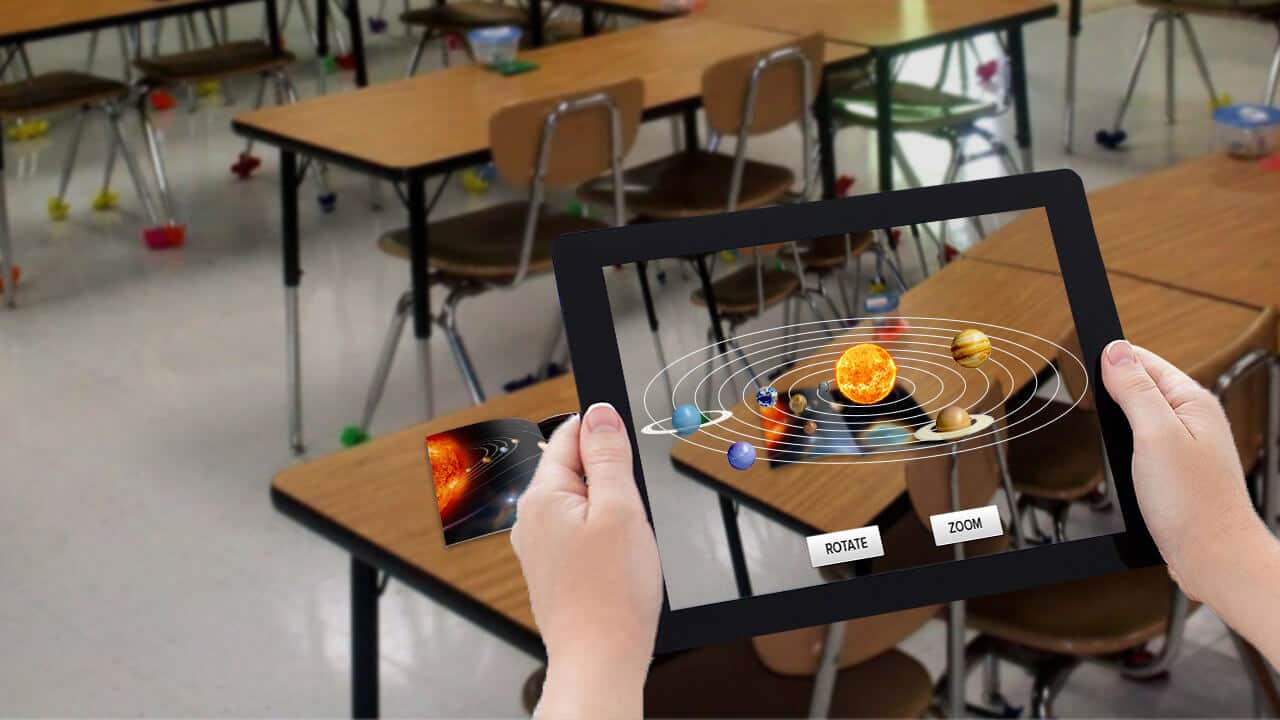
Immersive VR labs let chemistry students mix virtual reagents safely. AR overlays historical maps on physical landscapes during field trips. These sensorial experiences anchor abstract concepts in memorable interactions.
Blockchain Credentials
Digital diplomas and microcredential certificates stored on blockchain ensure verifiable, tamper-proof records. Learners curate lifelong portfolios of skills, easily shared with employers and institutions.
Internet of Things (IoT)
Smart classrooms incorporate connected sensors that monitor air quality, lighting, and noise levels—optimizing physical spaces for hybrid learning. Wearable devices track engagement metrics like eye movement or posture, informing ergonomic adjustments.
Use Cases Across Educational Levels
K–12 Education
Elementary schools use story-based avatars guiding reading practice. Middle-schoolers collaborate on virtual science fairs. High-schoolers join global chess tournaments hosted entirely online.
Higher Education
Universities offer entire degree programs remotely, combining filmed lectures with local study hubs. Research collaborations unfold in shared virtual labs, where data streams from instruments across the globe converge in real time.
Corporate Training
Enterprises replace one-off workshops with modular e-learning platforms. Employees track certifications on gamified dashboards. Microlearning videos reinforce compliance and soft skills—negotiation, leadership, and cross-cultural communication.
Continuing and Lifelong Learning
Platforms like Coursera and edX offer millions of learners access to top-tier curricula. Stackable credentials allow professionals to upskill for emerging fields—data science, digital marketing, and renewable energy—without relocating or quitting their day jobs.
The Human Element in a Digital World
Technology alone cannot educate. Empathy, inspiration, and mentorship remain quintessential. Instructors who share personal anecdotes, celebrate small wins, and maintain office hours forge meaningful connections. Virtual breakout rooms become microcosms of collaboration—students huddle in digital corners, whispering strategies and laughing together.
Future Outlook: Hybrid and Beyond
The future is hybrid. Blended models combine in-person seminars with virtual follow-up. Classrooms become fluid—physical and digital realms weaving together. Industry partnerships embed workplace simulations directly into learning platforms. AI mentors complement human instructors, offering personalized nudges and continuous coaching.
Short sentence. Evolution continues.
As 5G networks proliferate, mobile-first learning will flourish. Haptics and tactile feedback will add another layer of immersion. Emotional AI will detect frustration and adjust difficulty on the fly. Education will be not only accessible but adaptive, empathetic, and endlessly innovative.
Conclusion
Virtual classrooms have transcended crisis-induced stopgaps to become a cornerstone of contemporary education. By harnessing interactive technologies, data-driven insights, and human-centered design, they cultivate engaged learners and empowered instructors. The new era of education is not a mere digital facsimile of traditional schooling—it is a bold reinvention, aligning with the needs of a global, mobile, and lifelong-learning society. Embrace the change, explore the possibilities, and join the vanguard of tomorrow’s education today.


